
2026 NFL Draft Sleepers: 11 Hidden Gems to Watch in the Middle and Late Rounds
While the 2026 NFL Draft is considered light on elite, blue-chip talent at the top, it offers excellent depth in the middle and later rounds. Teams that draft smartly on Days 2 and 3 could find significant value and future starters.
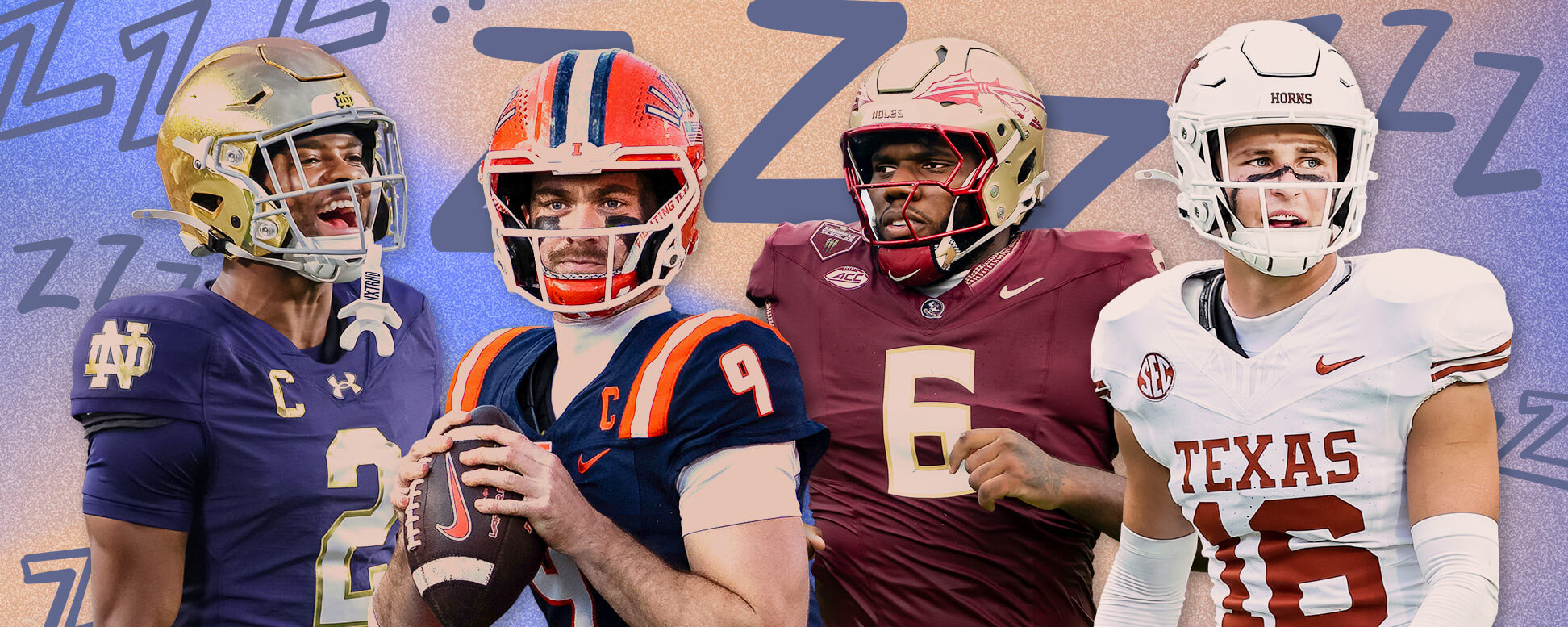
Here are some of the most intriguing sleepers to watch as the draft kicks off next week in Pittsburgh:
RB Eli Heidenreich, Navy
A versatile weapon rather than a traditional between-the-tackles runner, Heidenreich is Navy’s all-time leading receiver. At 6-0 and 198 pounds, he excels at creating mismatches in the passing game and lining up in multiple spots. While he may not be a power back, creative offensive coordinators could use him extensively on short routes, screens, and motion plays. He also projects as an immediate contributor on special teams.
WR Cyrus Allen, Cincinnati
Despite being smaller (5-11, 183 pounds) than his former teammate Jeff Caldwell, Allen was far more productive in 2025. He brings reliable hands, the ability to stretch the field from the slot, and good tempo variation in his routes. With shades of Christian Kirk in his game, Allen has a realistic path to becoming a solid contributor and potentially outperforming flashier but raw Day 3 receivers.
WR Malik Benson, Oregon
Benson has the explosive deep speed that can change games. After stops at Florida State and Alabama, he broke out with the Ducks, averaging 16.7 yards per catch last season. His 4.37-second 40-yard dash at the Combine confirmed his elite speed. While he needs refinement as a route runner, he offers big-play ability on vertical routes and as a return specialist — a potential steal in the middle rounds.
DT Kaleb Proctor, Southeastern Louisiana
In a weak year for interior defensive linemen, Proctor could be a smart value pick. The 6-2, 291-pounder is a quick, slippery penetrator who consistently gets into the backfield rather than just disrupting plays. He may struggle early against stronger NFL guards, but in the right scheme that values quickness and disruption over size, he has starter upside.
OLB Jaishawn Barham, Michigan
A late convert to the edge, Barham showed impressive burst and violence as a pass rusher in his final season. He plays with relentless motor and can beat blockers both with power and finesse. While he needs better discipline to cut down on penalties and missed tackles, his upside as an edge rusher in a 3-4 or off-ball linebacker in a 4-3 makes him an intriguing developmental prospect.
OLB/DE George Gumbs Jr., Florida
A former wide receiver and tight end, Gumbs is still raw as a pass rusher but has the ideal physical tools: 6-4, 245 pounds with a quick first step, long arms, and natural bend. He’s aggressive against the run and shows flashes of dominance. With coaching, he could develop into a dangerous situational pass rusher with long-term starter potential.
LB Jimmy Rolder, Michigan
After patiently waiting his turn, Rolder impressed as a first-year starter for the Wolverines. The 6-3, 238-pounder is a sure tackler with excellent instincts and sideline-to-sideline range. While coverage is still a work in progress, his football intelligence and work ethic suggest he has a strong chance to develop into a three-down starting linebacker.
CB Tacario Davis, Washington
At 6-4 with 4.41 speed, Davis is a rare long, athletic corner who can disrupt receivers at the line and contest catches downfield. He’s best suited for zone-heavy schemes where his length and range can be maximized while his limitations in tight man coverage are minimized.
CB Devin Moore, Florida
Injuries have limited Moore’s consistency, but the 6-3, 198-pound corner has the size and speed to match up with big receivers on deep balls. With more experience and improved anticipation, he has the tools to become a reliable starter in zone or press-man coverage.
S Bud Clark, TCU
One of the best ballhawks in college football with 15 career interceptions, Clark plays with outstanding instincts and versatility. His wiry frame and coverage skills allow him to handle multiple assignments. While he can be overly aggressive at times, his playmaking ability makes him a potential difference-maker in the secondary.
S VJ Payne, Kansas State
Payne’s size (6-3, 206 pounds) and coverage skills make him an excellent matchup tool against athletic tight ends. He’s solid in run support and excels at taking away the middle of the field. A smart, reliable safety who should carve out a significant role early in his career.
These players may not generate first-round buzz, but they possess the traits and upside that smart front offices target for high-value selections in the middle and late rounds.
________

0 Comments