
🏃♀️ The Power of Walking: How Forward, Brisk, and Backward Walking Strengthen Body and Mind
Walking remains one of the most underrated yet powerful forms of exercise. It’s accessible, low-impact, and scientifically proven to improve cardiovascular health, mobility, balance, and even mood. But as fitness experts and biomechanists emphasize, how you walk — and the directions you choose — can transform the benefits you receive.
One of the latest trends gaining scientific backing is backward walking, or retro walking — an unconventional yet incredibly effective variation that challenges the body and mind in fresh ways.
🔹 Why Walking Still Reigns Supreme
Walking is not just a casual daily habit; it’s a clinically validated exercise modality with long-term health returns.
According to numerous studies published in journals like The Lancet and Medicine & Science in Sports & Exercise:
-
Cardiovascular Health: Brisk walking 30 minutes a day can reduce heart disease risk by up to 30–40%.
-
Bone and Joint Strength: The gentle, repetitive motion strengthens the joints without the wear-and-tear caused by running.
-
Weight Control: Regular walking supports calorie burn, especially when combined with interval or incline techniques.
-
Mental Health: Walking boosts serotonin and dopamine levels, easing anxiety and depression.
As a running and walking expert, I often say: “Walking isn’t a warm-up — it’s a workout.” The key lies in intentional variation — speed, surface, incline, and direction.
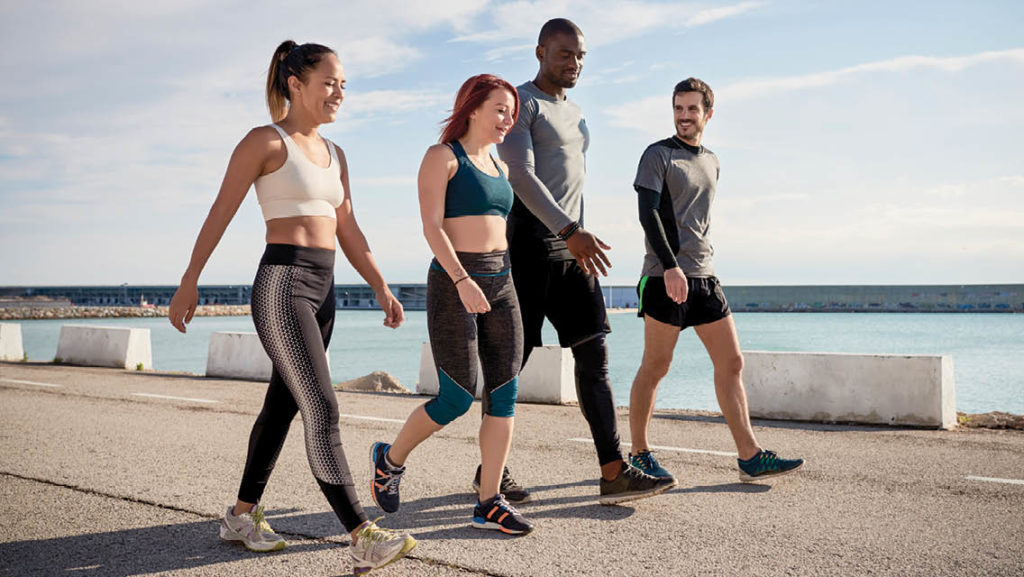
🥇 Types of Walking and Their Benefits
1. Casual Walking
-
Low-intensity, ideal for beginners or recovery days.
-
Enhances circulation, reduces stiffness, and supports gentle mobility.
2. Brisk or Power Walking
-
Moderate-to-high intensity (3–4 mph pace).
-
Improves cardiovascular endurance and fat metabolism.
-
Engages the arms, core, and glutes more actively.
3. Incline Walking (Hill or Treadmill)
-
Increases leg strength and muscle tone in the calves, hamstrings, and glutes.
-
Mimics hiking and builds functional endurance.
4. Interval Walking
-
Alternates fast and slow segments, boosting aerobic capacity and calorie burn.
-
Excellent cross-training for runners and cyclists.
5. Backward (Retro) Walking
-
The most neurologically and biomechanically unique variation.
-
Strengthens underused muscles, enhances coordination, and retrains balance systems.
🔄 Backward Walking: The Science Behind the Benefits
Backward walking, also called retro walking, reverses typical muscle engagement patterns. Instead of striking the heel first, the forefoot lands before the heel, reducing impact on the knees and activating stabilizing muscles.
Key Health Benefits:
-
Improves Hamstring and Glute Activation: Reverse motion stretches and strengthens posterior chain muscles often neglected in forward walking.
-
Protects the Knees: Research from the University of Nevada–Las Vegas shows backward walking reduces knee joint load by shifting pressure away from the patella.
-
Enhances Balance and Proprioception: Moving in reverse requires heightened spatial awareness, stimulating the brain’s motor cortex and improving coordination.
-
Boosts Cognitive Function: Studies suggest retro walking can enhance mental flexibility and focus, as it forces the brain to adapt to non-habitual movement.
-
Supports Rehabilitation: Widely used in physical therapy for post-surgical knee or ankle recovery.
⚙️ How to Add Backward Walking Safely
Start Simple
Begin with 1-minute backward walking segments within a 10-minute session. Gradually increase to 3–5 minutes as your comfort grows.
Use a Treadmill or Partner
On a treadmill, start at a slow speed (0.8–1.2 mph) while holding side rails. Alternatively, walk backward outdoors with a partner facing forward to guide you.
Progress Gradually
-
Once balanced, try adding gentle inclines or resistance bands.
-
Advanced athletes can incorporate short backward jogs or hill segments.
Safety Tips
-
Keep your core engaged and your steps short and controlled.
-
Focus on posture: stand tall, eyes forward, chest open.
-
Avoid uneven surfaces when starting out.
💪 Backward Walking as Cross-Training
Backward walking serves as a micro-level form of cross-training, subtly changing the stress on joints and muscles. Just like runners rotate shoes or vary terrain, alternating walking styles helps prevent overuse injuries and promotes muscular balance.
This approach can be especially valuable for:
-
Runners recovering from knee strain or patellar pain.
-
Older adults looking to enhance stability and fall prevention.
-
Athletes seeking neuromuscular coordination improvements.
🧠 Mind-Body Connection: How Retro Walking Trains the Brain
Walking backward is not only a body workout but also a brain exercise. It requires conscious coordination, stimulating areas of the brain related to memory, spatial awareness, and motor control.
Some research from the Journal of Physical Therapy Science suggests backward walking can even improve short-term memory recall, making it both a cognitive and physical enhancer.
🩺 Expert Opinion: Why I Recommend Backward Walking
As a running and walking specialist, I consider retro walking a hidden gem for improving longevity, neuromuscular health, and mental sharpness. It’s simple, joint-friendly, and effective — especially when combined with forward walking, strength work, and balance drills.
👉 My advice:
-
Add 2–3 backward walking sessions per week as part of your warm-up or cooldown.
-
Pair it with mobility work and breathing exercises.
-
Prioritize consistency over intensity — results come from habit, not heroics.
Backward walking might look unconventional, but it’s one of the most powerful natural tools for long-term health, balance, and brain resilience.
📊 Key Takeaways
| Benefit | Forward Walking | Backward Walking |
|---|---|---|
| Cardiovascular Fitness | ✅ | ✅ |
| Knee & Joint Stress | Moderate | Lower |
| Hamstring Activation | Moderate | High |
| Balance & Coordination | Moderate | High |
| Cognitive Engagement | Moderate | High |
| Rehabilitation Use | Some | Common |
🏁 Final Thoughts
Walking — in all its forms — remains the foundation of lifelong fitness. Whether you’re an athlete, a casual walker, or someone returning from injury, learning to walk forward with purpose and backward with awareness can extend both your physical vitality and mental clarity for years to come.
.
___

0 Comments