
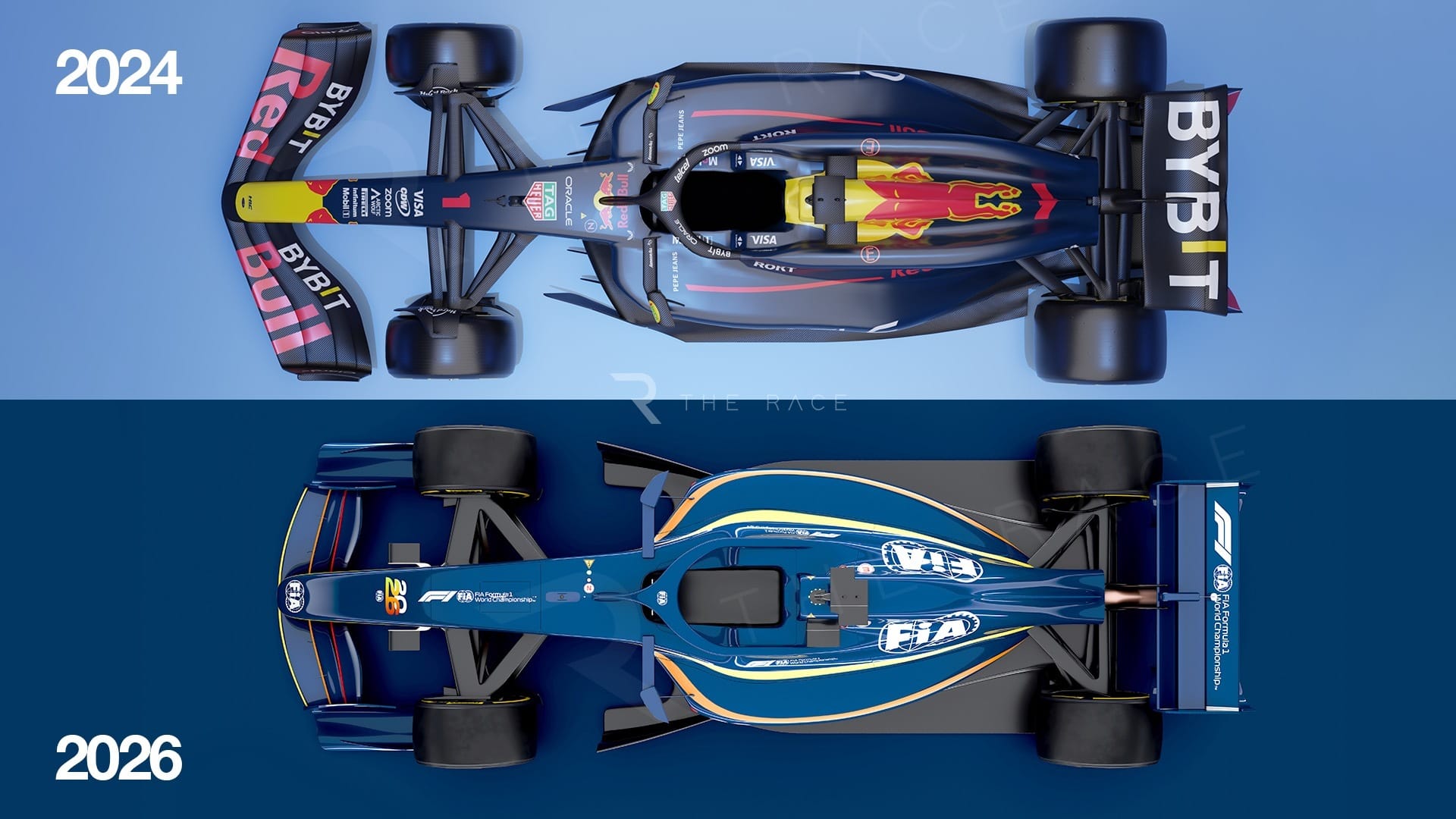
What are the main rule changes for F1 cars for 2026?.
Formula 1 will see new regulations brought in from the 2026 season, which could lead to a major shake-up on the grid. The last regulations, which came in for the 2022 season, saw the dawn of an era of Max Verstappen dominance. Teams began work on their 2026 cars under the new set of rules that are designed to make the sport more "agile, competitive, safer and more sustainable," according to motorsport's governing body, the FIA.
1. Smaller, Lighter, More Agile Cars
-
Weight drops by 30 kg to 768 kg.
-
Cars will be 200 mm shorter and 100 mm narrower, improving agility and reducing drag.
-
The aim is to make the cars less bulky and more responsive in corners — closer to the nimble F1 machines of the early 2000s.
2. Tyres & Wheels
-
18-inch wheels stay, but the tyres shrink slightly: fronts 25 mm narrower, rears 30 mm narrower.
-
This helps cut drag and rolling resistance, improving efficiency.
3. Goodbye DRS, Hello Dual Power Modes
-
DRS (Drag Reduction System) will be scrapped.
-
Replaced by two modes:
-
Z-Mode: Adds downforce and grip for better cornering.
-
X-Mode: Reduces drag for maximum straight-line speed.
-
-
Drivers will manage these modes tactically — think of it as an “active aerodynamics” system replacing the push-button DRS.
4. Power Unit Revolution
-
Electric power output increases by 300%.
-
Engines will have a 50/50 split between combustion and electric power.
-
Three times more electric braking means stronger energy recovery and shorter stopping distances.
-
The goal: faster acceleration, better efficiency, and more overtaking opportunities.
5. 100% Sustainable Fuel
-
All cars must run on fully sustainable fuel, made from captured carbon, waste, or non-food biomass — zero new fossil carbon will be burned.
-
This keeps performance high while drastically cutting emissions.
6. New and Returning Engine Manufacturers
-
Confirmed suppliers: Red Bull–Ford, Audi, Honda, Mercedes, and Ferrari.
-
Audi joins as a full works team; Ford returns through its partnership with Red Bull Powertrains.
The Big Picture
The 2026 regulations aim to make F1:
-
Faster in corners, but less dependent on dirty air.
-
Greener, through electric tech and sustainable fuel.
-
More competitive, with reduced aerodynamic wake to help overtaking.
It’s the boldest redesign since the 2014 hybrid era — a potential reset button for the grid hierarchy.

0 Comments